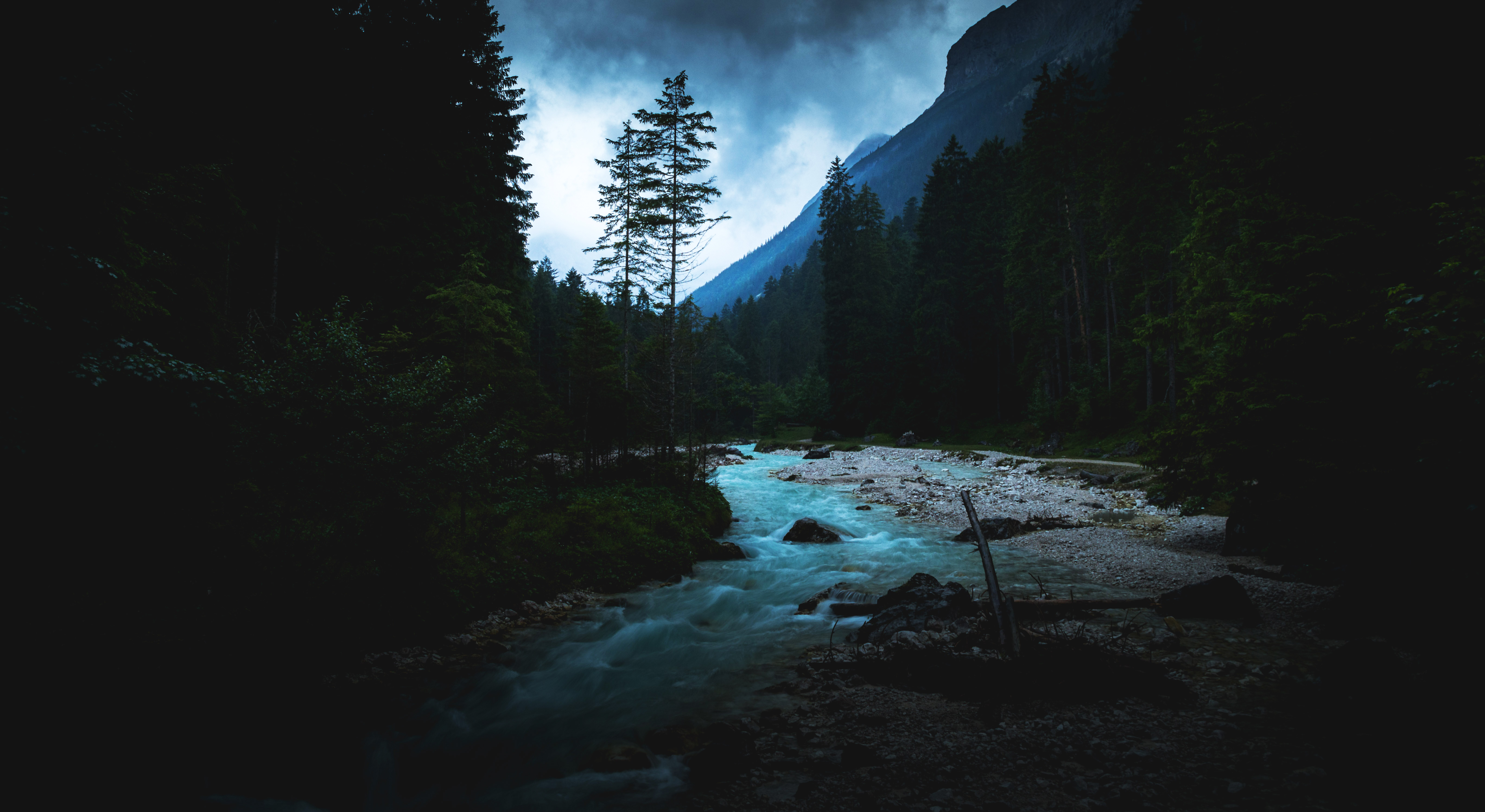
Characters on Shaman can have come from anywhere, including weird and wonderful worlds created by you. If you would like to share your otherworldly creations, you can post on the updates board to have them added to this page. You and other people can then play on these worlds on our Otherworlds board, or join characters who have come from these worlds.
You can create your world in any way you like. To help structure your thoughts, there is an optional form at the bottom of this page, as well as links to other resources.
Shyllipa
This world was developed by Aspelta. There are currently no characters on Shaman from this world, but Gwythr, the Italian deity, is being kept on Shyllipa Major under house arrest.
"Shyllipa" refers collectively to the two nymph planets, Shyllipa Major and Shyllipa Minor, as well as their sun. The two planets orbit each other closely as well as orbiting the sun.
Shyllipa Major
Hmm. Looks like there's not much info about this world available yet. Perhaps you should go visit?
Shyllipa Minor
Hmm. Looks like there's not much info about this world available yet. Perhaps you should go visit?
Featherstone
Hmm. Looks like there's not much info about this world available yet. Perhaps you should go visit?
This world was developed by Aspelta. There are currently no characters on Shaman from this world, but Gwythr, the Italian deity, is being kept on Shyllipa Major under house arrest.
"Shyllipa" refers collectively to the two nymph planets, Shyllipa Major and Shyllipa Minor, as well as their sun. The two planets orbit each other closely as well as orbiting the sun.
Shyllipa Major
Hmm. Looks like there's not much info about this world available yet. Perhaps you should go visit?
Shyllipa Minor
Hmm. Looks like there's not much info about this world available yet. Perhaps you should go visit?
Featherstone
Hmm. Looks like there's not much info about this world available yet. Perhaps you should go visit?
Xara
This world was developed by Aspelta. Caldera and Minnow are currently the only characters on Shaman from this world.
Geography
Climate and landscape: The four kingdoms of Xara are set in a tropical landscape. A spine of mountains stretches as far as the eye can see; the largest of these is a sizeable volcano. To one side of the volcano is a vast swamp, and to the other is a desert. The desert is formed by relief rainfall. Water evaporates in the heavy, humid climate of the swamp, which then condenses at the top of the mountains and provides relief rainfall on one side of the mountains and volcano. This creates lush, fertile land on the swamp-facing side of the volcano which is perfect for agriculture. It also creates temperate-tropical forests in uncultivated land. On the other side of the mountains/volcano, the lack of rainfall has formed a desert.
Oceans: The majority of the planet is ocean or barren land. There are no oceans near the four populated kingdoms.
Freshwater supplies: All freshwater comes from the swamp. The other kingdoms have to dig for it (easy if you're in the Rock kingdom) or import it.
Dominant species: Ker
Ker are the humanoid, dominant species on Xara.
"Familiar" species: Aja
Aja act like familiars to Ker.
Known aja types:
Earth Aja are used as farmhorses, similar to our Shires.
Rock Aja are used in tunnelling and infrastructure work in the Rock kingdom.
Wolves
Religion
Ker and aja have different religions. Aja have a pagan-style religion which is nature-focused, and they remain reasonably private about it. Ker are polytheists who follow fairy deities. Different kingdoms value different deities.
Volcano: Rhaegar and Allianah
Rock: Aura and Khasekhemwy
Swamp: Gwythr and Lorraine
Desert: Mallos and Zed
Slang
Kingdom of the Volcano
Kingdom of the Rock
Kingdom of the Swamp
The Swamp kingdom was developed by Edel.
Kingdom of the Desert
This world was developed by Aspelta. Caldera and Minnow are currently the only characters on Shaman from this world.
Geography
Climate and landscape: The four kingdoms of Xara are set in a tropical landscape. A spine of mountains stretches as far as the eye can see; the largest of these is a sizeable volcano. To one side of the volcano is a vast swamp, and to the other is a desert. The desert is formed by relief rainfall. Water evaporates in the heavy, humid climate of the swamp, which then condenses at the top of the mountains and provides relief rainfall on one side of the mountains and volcano. This creates lush, fertile land on the swamp-facing side of the volcano which is perfect for agriculture. It also creates temperate-tropical forests in uncultivated land. On the other side of the mountains/volcano, the lack of rainfall has formed a desert.
Oceans: The majority of the planet is ocean or barren land. There are no oceans near the four populated kingdoms.
Freshwater supplies: All freshwater comes from the swamp. The other kingdoms have to dig for it (easy if you're in the Rock kingdom) or import it.
Dominant species: Ker
Ker are the humanoid, dominant species on Xara.
- Sentient.
- All have monkey-like tails. About 70% of the population have split tails, and the rest have just a single tail. (Single tails like left-handedness; not a disability or shunned, but can be the butt of cultural jokes)
- Retractable claws instead of fingernails.
- Adept at climbing.
- Enhanced durability: harder to hurt/kill than humans/fairies, and have a higher pain threshold.
- Elongated lifespans. Average lifespan: 177 years.
- Child: 0 - 14. (No concept of adolescence; children become adults at 15). Adult: 15 - 150. Elder: 150+
- Not as naturally magical as fairies. About half the population have no magical powers. The rest only have 1-2. Ker with 3 powers are rare and highly valued in society. No ker has ever been known to have more than 3 powers.
- Ker are born with their magic and have little concept of attaining or losing it. The only way to gain magic yourself is to have it bestowed upon you by a deity. Otherwise, magic-seeking ker tend to look for powerful aja to bond with.
- Having magic is strongly correlated with the higher classes, although it's not clear why this is.
"Familiar" species: Aja
Aja act like familiars to Ker.
- Fun fact: the plural is still "aja", like sheep!
- Also sentient.
- Horseoid in form.
- About 30 or so different elemental types, although some are rarer than others. All have appearances/traits linked to their element. So, for example, an earth aja might be made of soil with leaves instead of hair.
- Inherently magical, with powers links to their element.
- Live in the wilderness until they are bonded or captured.
- When they come of age (15), ker can attempt to bond with an aja. This is traditionally done by questing in the wilderness, although the black market offers an alternative to wealthy and less moral youngsters.
- Aja choose their ker as much as ker choose their aja, in an ideal world. Aja can be captured and forced to live with ker against their will.
- Different elements are valued in different kingdoms. Rarer aja are always more valuable than common ones.
- Some ker practice the morally questionable but not illegal hobby of collecting aja.
- Some aja distrust ker and refuse to bond at all.
- Some aja refuse to bond with any ker who are not Desert ker. Desert ker are seen as most preferable amongst aja.
- The Black Market in aja is a flourishing business amongst the morally questionable aja collectors and amongst upper class children too "important" to risk their lives questing.
Known aja types:
- Basic elements: most common.
- Earth
- Air
- Water
- Fire
- Sub-basic elements: less common.
- Sand
- Rock
- Obisidian
- Jewel
- Wood
- Vine
- Zephyr
- Blood
- Ice
- Rare elements: rare.
- Lightning
- Metal
- Lunar *super rare
- Solar *super rare
- Night *super rare
- Death *super rare
- Cosmic *legendary
- Duo-elements: rare and more powerful
- Volcanic (Fire x Rock)
- Sirocco (Fire x Air)
- Mire (Earth x Water)
- Cloud (Air x Water)
- Storm (Air x Lightning)
- Dead Fire (Fire x Death)
- Drowned (Fire x Water)
- Horror (Blood x Death)
- Tidal (Lunar x Water)
- Molten (Fire x Metal)
- Sunflame (Solar x Fire)
- Dark Lightning (Night x Lightning) *super rare
- Eclipse (Lunar x Solar) *super rare
- Nightmoon (Lunar x Night) *super rare
Earth Aja are used as farmhorses, similar to our Shires.
Rock Aja are used in tunnelling and infrastructure work in the Rock kingdom.
Wolves
- Unclear if they are sentient or not. It is widely believed that they are savage until they bond, at which point they become sentient.
- Also elemental.
- Considered to be the most dangerous creature in Xara. Wolves are the only animal which have no problem tearing through ker flesh, and they are more intelligent than most other predators.
- Much larger than Earth wolves; approximately the size of horses.
- One of the largest causes of ker/aja deaths.
- Also a pest for farmers and families, since they steal livestock.
- It is believed that ker can bond with wolves as well as/instead of aja. In ker mythology/stories, Herculean heroes always bond with wolves instead of aja. There is no record of a ker actually bonding with a wolf, but every year some cocky teenager always tries and is mauled.
- Ker who successfully bond with wolves in stories are often known as "wolf-wrestlers", since it is believed that before you can bond with a wolf, you have to fight it and win.
- In real life, no ker has ever bonded with a wolf.
Religion
Ker and aja have different religions. Aja have a pagan-style religion which is nature-focused, and they remain reasonably private about it. Ker are polytheists who follow fairy deities. Different kingdoms value different deities.
Volcano: Rhaegar and Allianah
Rock: Aura and Khasekhemwy
Swamp: Gwythr and Lorraine
Desert: Mallos and Zed
Slang
- "Knot your tail" = get anxious/annoyed/upset. Commonly used in phrases such as "don't knot your tail" (Earth equivalent: "don't get your panties/knickers in a twist")
- "Move your tail" = move. (Earth equivalent: "move your ass")
- "In Paradise" = in the afterlife/promised land. Commonly used in phrases such as "what in Paradise?" (Earth equivalent: "what the hell?") and "that's a story in Paradise" (Earth equivalent: "that's one hell of a story").
- "I'm in Paradise waiting" = I'm dying/desperate to know/do something.
- "I'll split your tail" = a mild threat. (Earth equivalent: "I'll kick your shins")
- "I'll remove your tail" = a serious threat. (Earth equivalent: "I'll cut off your fingers")
- "Tech" = technology, usually from the Rock kingdom. Also known as "Rock tech". Anything invention of the Rock kingdom, or anything which a ker doesn't understand, is often described as "tech". Has also come to be used to mean any kind of advanced equipment - e.g. a military cache of weapons might be described as "a room full of tech".
- "[someone has] got/wrestled a wolf" = describing someone as awesome/a hero, e.g. "you've got a wolf", "he's wrestled a wolf". (Earth equivalent: "you're a legend").
- "Tie [someone's] tail to a post" = stop someone from moving (Earth equivalent: "nail [someone's] feet to the floor").
- "your tail" = yourself
- "You couldn't climb to save your tail" = an insult. Insults someone's physical fitness.
- "Up that tree faster than lightning on track day" = a reference to speed of movement. ("lightning" refers to an aja with the lightning element; "track day" refers to a racetrack)
Kingdom of the Volcano
- The volcano on one of the mountains. Ker of this kingdom live on the fertile hills.
- Kingdom with the most inequality - everyone is either a poor farmer or very wealthy.
- Amongst the agricultural community, agricultural/earth-type aja are valued but considered low class. Among the wealthy, rare and powerful/militaristic (and especially fire-based) aja are valued.
- Strong military presence. Constitutional monarchy, but the kingdom is effectively ruled by military generals.
- Widespread corruption; base of the largest Black Market in aja. Aja farms/mills are located here.
- Treats incoming defectors with suspicion; defecting from punishable by death Very suspicious of the rock, and especially 'rock tech'.
Kingdom of the Rock
- Cave labyrinth beneath the mountains. Mountains have relief rainfall; windward side has temperate forest, other side is towards the desert.
- Most technologically advanced culture; largely peaceful but building up a military
- Protected from the elements, but devastating cave-ins can happen.
- Earth-type aja valued.
- Very suspicious of the Volcano.
Kingdom of the Swamp
The Swamp kingdom was developed by Edel.
- The body of water which causes relief rainfall on the mountains
- Volatile weather.
- No standing army; guerrilla tactics used if invaded. Rarely invaded because of the volatile weather.
- Some intertribal disputes, but ruled by a common council
- Survival ability and strength valued, because of normal swamp predation
- Live in stilted homes made largely of mud and reeds
- Valued deities: Gwythr and Lorraine
- The body of water which causes relief rainfall on the mountain
- Volatile weather (often blamed on Lorraine, with Lorraine also the recipient of most weather-related prayers).
- No standing army; guerrilla tactics used if invaded. Rarely invaded because of the volatile weather.
- Live in matriarchal family units with clusters of stilted homes for each family
- Children are produced more for genes and survival than through matrimonial relationships, leading to more half-siblings in families than full siblings. Thus lineage traced maternally.
- As such, children born out of love-based unions are seen as weaker and often mocked by their peers as �lovelings� or love children.
- Referred to derogatorily as �mud eaters� and it�s seen as an insult to someone that they would sleep with someone from the kingdom. �Might leave their slime in your sheets�
- Diet consists of �bush meat� (any protein that they manage to hunt) and water-based vegetation such as rice.
- Isolation from other kingdoms has led to a thick accent and slightly different dialect that is difficult for the other kingdoms to understand.
- Have a number of resources that they find undesirable and relatively low value that are extremely high value in the other kingdoms such as medicinal plants, gemstones.
- Mud has anti-aging properties.
Kingdom of the Desert
- Ker live at the edge of the desert.
- Water and water-type aja highly valued.
- Relaxed culture; more open and 'free' than most other kingdoms.
- No overarching leader � lots of mini villages run by a village elder. All cooperate peacefully.
- Relies on the volcano for food imports.
- Strongly linked to pre-fairy culture; preferred by aja
- Communal; whole village engaged in rearing children, who are seen as precious
- Free movement between tribes welcomed
- At the edge of the desert there are geysers and steam vents, because of the volcano.
Panathenaea
This world was developed by Dema. Electra is currently the only character on Shaman from this world.
About Panathenaea
Moons: one, Selene (Sel-en-ay)
Geophysical information: Very mountainous, with a thin atmosphere
Climate: very cold. There is a dry season and a snowy season
Dominant species: The Gida, a humanoid species with some aspects of caprinae � usually either horns or hooves, rarely both.
Other species/wildlife: For the most part, very similar species to those found in high mountain climates on earth. A kind of snow leopard is the apex predator, but there are also myriad sheep and goats, small oxen, rabbits, ptarmigans, and birds of prey. There are also stone wyrms, called Vrachosphage. These are enormous, stone-eating worm-dragons. Vegetation: sparse, mostly wind-twisted trees and grasses. Timber is a rare and precious commodity.
Raw materials: stone, minerals and metals
Ocean: land ratio: no oceans, very little water on the surface in general, other than that which precipitates. Extensive groundwater that cannot be reached from the surface. Freshwater supplies: scarce, mostly mountain springs and streams
This world was developed by Dema. Electra is currently the only character on Shaman from this world.
About Panathenaea
Moons: one, Selene (Sel-en-ay)
Geophysical information: Very mountainous, with a thin atmosphere
Climate: very cold. There is a dry season and a snowy season
Dominant species: The Gida, a humanoid species with some aspects of caprinae � usually either horns or hooves, rarely both.
Other species/wildlife: For the most part, very similar species to those found in high mountain climates on earth. A kind of snow leopard is the apex predator, but there are also myriad sheep and goats, small oxen, rabbits, ptarmigans, and birds of prey. There are also stone wyrms, called Vrachosphage. These are enormous, stone-eating worm-dragons. Vegetation: sparse, mostly wind-twisted trees and grasses. Timber is a rare and precious commodity.
Raw materials: stone, minerals and metals
Ocean: land ratio: no oceans, very little water on the surface in general, other than that which precipitates. Extensive groundwater that cannot be reached from the surface. Freshwater supplies: scarce, mostly mountain springs and streams
Canidia
This world was developed by Aspelta. Anapa is currently the only character on Shaman from this world.
About Canidia
"Canidia" actually refers to a country within an unnamed world, known as a "nome", rather than a planet. The inhabitants of this world do not have a name for their own planet and are unaware of other planets. Canidia is heavily inspired by Ancient Egypt and is, in terms of physical geography, very similar.
Inhabitants and morphing
There are three types of living beings, in which all plants, animals and bacteria etc can fit into: solomorphs, duomorphs and polymorphs. Solomorphs are things with only a single form, like Earth animals/plants. Duomorphs have two forms (like shapeshifters) and polymorphs have multiple forms.
The dominant species in this world are humanoid duomorphs. The world is divided into nomes (regions), and all the people of each norm form the same race/have the same duomorph species. Duomorphs are not like the shapeshifters in human stories, and are more like a cross between shapeshifters and werewolves. By and large they do not morph at will, but are forced to morph during particular planetary alignments. Morphing is a whole science, and there are people who dedicate their lives to tracking the patterns of morphing and predicting when morphing will happen, since it isn't as fixed as "every full moon" like with werewolves. Morphing is painful but once morphed, duomorphs retain control/presence of mind, unlike werewolves.
During morphing season (which can last any length of time - a few hours or several days, even weeks), there are usually festivities. Many nomes rely on morphing to get certain work done, e.g. in the Gulli nome, morphing season is used to hunt and stockpile fish.
Morphing is a skill and anyone can learn to morph at will if they are properly schooled. However, usually only the rich can afford this. Being able to morph at will is a sign of status.
Other nomes
There are six other known nomes other than Canidia, seven in total including Canidia.
If a person wants to leave their nome, they have to acquire a permit/visa to temporarily live in another one. This is uncommon, and some nomes refuse to give out permits/visas at all (no nome accepts Scorpions). To live in another nome permanently, a person has to undergo a special ritual to change their duomorph form to match that of their new nome. These rituals are a performed by priests who jealously guard the secrets of the rituals, so no one else can perform them.
If another nome is fully conquered, all the people of that nome change duomorph forms to match their new nome. Another ritual has to take place for this to happen. This is called 'assimilation'. Once assimilated, it exceptionally difficult for the two nomes to break apart again.
Note - all of these humanoids are one species, and all are duomorphs. It's impossible to have a humanoid/fairy type character with multiple morph forms or who are solomorphs. However, solomorph and polymorph animals and plants exist in this world. Having a solomorph humanoid in this world is like having a coldblooded human.
There are 7 known nomes, all based around the same river.
Magic in all seven nomes is very widespread, since all people have the ability to learn it. Magic is a skill like any other, just like languages, music, maths etc. It has to be learnt, but some magical abilities are passed down within families, such as farming families passing down the ability to make plants go stronger. Advanced magic (rather than the intuitive kind passed down by families) is usually only practiced by the rich, since they are the only ones who can afford tuition. Different priesthoods/religious circles are the ones who tutor/teach magic to richer children brough tinto their cults.
Religion
The people of Canidia have no concept of gods, and thus religious practices are very different to Shaman. Canids participate in ancestor cults and attribute holiness to different aspects of nature. Priesthoods/religious circles focus on these different aspects of nature. For example, there are cults specifically dedicated to birth, death, the river, rain etc. Famous ancestors are often strongly associated with different cults and may be invoked. The cults are secretive and mysterious; most do not have any writings related to their arts and practices, and instead pass such things down to their inaugurated orally. Revealing the secrets of a cult is a crime punishable by death.
Funerary culture
Funerary culture is very important in Canidia. There is a heavy emphasis on preparation for death and the cult of death is considered one of the most important. Canidia is extremely close to the Realm of the Dead and the boundaries between Life and Death are sometimes blurred there. Many inaugurated of the cult of death have the ability to step into the Realm Between Realms, and it is not unusual for the dead to cross over into Canidia, hence the importance of ancestor cults. Zone Zero in the Realm of the Dead is a portal which connects Canidia to Death.
The dead on Canidia are emblamed. The embalming proces sis long, secretive and complicated. Funerals are also long, complicated and ritualistic. Death in Canidia is not regarded as "final", since the dead can cross back over with realtive ease and mediumship is one of the more common forms of magic in this world. It is common to seek wisdom from the deceased.
Royalty
The position of kingship is inherently male; no woman may inherit the throne. Men can inherit through marriage, which is often arranged. This enables the existing king to select his heir.Usually the first born son inherits, but the king can favour a different son. This can cause contention. If there are no sons, generally the husband of the eldest daughter inherits, but brothers or other male relations to the king can also lay claim to the throne. The inability of women to inherit makes the system of inheritance particularly messy. Where there is no son, who has a better claim to the throne - a brother of the king or the husband of his daughter? Contention for the throne in such cases is not uncommon.
The current king of the Canids is Saif, a complex, intelligent and cunning character. Saif inherited the throne through his wife Indeysta, who is the one with royal blood. The throne is currently under contention, since Saif murdered his predecessor, Koseald. Koseald was married to Indeysta's elder sister, Izeti. Koseald's son Kosari has returned to contend Saif for the throne, sixteen years after his father's death. Saif and Indeysta have one son, Anapa, who is missing on Canidia (currently living on Shaman).
Coming of age
Young people come of age in Canidia at the age of 12. Many girls are married off from this age onwards.
Among the rich, the coming of age of young men and women is celebrated differently. For women from noble families, a celebration is held in which the eligible young woman is presented to society for men to express an interest in. For men from noble families, a different celebration is held among just men, with no women invited. In this celebration, the young man is presented by the men of his family with a concubine to keep, usually a pretty young girl selected from among the lower classes. The guests then witness the young man losing his virginity with the concubine.
Marriage
It is expected of all people to marry and most marriages are arranged. A man can have multiple wives, but a wife may only have one husband. Royals tend to marry for diplomacy. It is not uncommon for royals to marry incestuously in order to keep a strong family line and prevent contenders to the throne.
Life in Canidia
There is a huge wealth divine in Canidia between a small noble class and the rest of society, most of whom are impoverished peasants. The nobles live lavish lifestyles. There is a small middle class of merchants and small business-owners, and the majority of the rest live poor, agrarian lifestyles.
Among the poor peasant class, life expectancy for men is about 30 years and for women even lower. Girls are often married off at the age of 12 and spend much of their lives after pregnant and caring for the children. Infant mortality is high and women often die in childbirth or of pregnancy-related illnesses. Children are expected to do some form of work from the age of about five onwards in order to support the family. Inheritance of property is through the male line; women are rarely independent and struggle without a father or husband to support them. There is little education available for the poor and most young men learn the trades of their fathers. If a woman survives her husband, it is common for her to then be married to her husband's brother so that the family still provides for her.
This world was developed by Aspelta. Anapa is currently the only character on Shaman from this world.
About Canidia
"Canidia" actually refers to a country within an unnamed world, known as a "nome", rather than a planet. The inhabitants of this world do not have a name for their own planet and are unaware of other planets. Canidia is heavily inspired by Ancient Egypt and is, in terms of physical geography, very similar.
Inhabitants and morphing
There are three types of living beings, in which all plants, animals and bacteria etc can fit into: solomorphs, duomorphs and polymorphs. Solomorphs are things with only a single form, like Earth animals/plants. Duomorphs have two forms (like shapeshifters) and polymorphs have multiple forms.
The dominant species in this world are humanoid duomorphs. The world is divided into nomes (regions), and all the people of each norm form the same race/have the same duomorph species. Duomorphs are not like the shapeshifters in human stories, and are more like a cross between shapeshifters and werewolves. By and large they do not morph at will, but are forced to morph during particular planetary alignments. Morphing is a whole science, and there are people who dedicate their lives to tracking the patterns of morphing and predicting when morphing will happen, since it isn't as fixed as "every full moon" like with werewolves. Morphing is painful but once morphed, duomorphs retain control/presence of mind, unlike werewolves.
During morphing season (which can last any length of time - a few hours or several days, even weeks), there are usually festivities. Many nomes rely on morphing to get certain work done, e.g. in the Gulli nome, morphing season is used to hunt and stockpile fish.
Morphing is a skill and anyone can learn to morph at will if they are properly schooled. However, usually only the rich can afford this. Being able to morph at will is a sign of status.
Other nomes
There are six other known nomes other than Canidia, seven in total including Canidia.
If a person wants to leave their nome, they have to acquire a permit/visa to temporarily live in another one. This is uncommon, and some nomes refuse to give out permits/visas at all (no nome accepts Scorpions). To live in another nome permanently, a person has to undergo a special ritual to change their duomorph form to match that of their new nome. These rituals are a performed by priests who jealously guard the secrets of the rituals, so no one else can perform them.
If another nome is fully conquered, all the people of that nome change duomorph forms to match their new nome. Another ritual has to take place for this to happen. This is called 'assimilation'. Once assimilated, it exceptionally difficult for the two nomes to break apart again.
Note - all of these humanoids are one species, and all are duomorphs. It's impossible to have a humanoid/fairy type character with multiple morph forms or who are solomorphs. However, solomorph and polymorph animals and plants exist in this world. Having a solomorph humanoid in this world is like having a coldblooded human.
There are 7 known nomes, all based around the same river.
- N1 "The Gulli": the faiyum. This is a fishing and farming community which is semi-nomadic, as the settlements have to be moved around the changing paths and inundation of the river. In this nome, the river splits into many tens of branches, and each one reaches the sea. The people of this nome are the only seafarers in the known world, and are thus often known as "the sea people" as well as their formal name, "gulls". Their polymorph form is a mediterranean gull. Borders N2 and a little of N3. Occupies the full mouth of the river.
- N2 "Canidia": directly below N1. Only a small section of the river is owned by Canidia, and this is the only nome apart from N3 which has any desert. There is some fertile land, but most of their riches comes from the stone quarries and gold mines in the desert. Rich and powerful, N2 is looking to expand and assume more fertile land. The people of this kingdom are known as "canids". Their polymorph form is a jackal-dog hybrid. Borders N1, N3, N4 and N5. Occupies both sides of the river.
- N3 "Scorpia": To the east of N1, N2 and N5. Effectively occupies the whole of the desert region, bar the parts controlled by N2. This is not a kingdom so much as a haphazard collection of groups of bandits who raid the fertile lands. They are a nuisance to the other nomes, but there's little anyone can do about them as they are masters of their territory. Attempts by the other nomes to invade N3 have always ended in disaster. Their polymorph form is a scorpion and they are known by many names: Raiders, Scorpions, Bandits, etc.
- N4: A smaller kingdom on the west bank of the river. It sits where the river meets the large lake. This kingdom probably would have been swallowed by N5 if it weren't separated by the lake. Polymorph form is a falcon. Borders N2, N6 and the barren desert. Lots of fertile land and some woodland.
- N5: The main rival to Canidia, and the largest of all the nomes (except N3). Polymorph form is a cheetah-like animal. Only kingdom other than N2 which has aspirations to expand. Sits on the eastern bank of the river and occupies the whole eastern bank of the great lake. Borders N2, N3 and N7. Lots of fertile land and some woodland.
- N6: Another smaller kingdom on the western bank of the river, below N4. Occupies part of the great lake and the western bank of the river further downstream. Borders N4. Not known what is below N6. Lots of fertile land.
- N7: Sits below N5 on the eastern bank, and borders N5 and N3. Only kingdom to contain thick forests. Also has an oxbow lake where the river has changed course. Has effectively resisted N5's attempts to expand into it and now has a frosty relationship with them.
Magic in all seven nomes is very widespread, since all people have the ability to learn it. Magic is a skill like any other, just like languages, music, maths etc. It has to be learnt, but some magical abilities are passed down within families, such as farming families passing down the ability to make plants go stronger. Advanced magic (rather than the intuitive kind passed down by families) is usually only practiced by the rich, since they are the only ones who can afford tuition. Different priesthoods/religious circles are the ones who tutor/teach magic to richer children brough tinto their cults.
Religion
The people of Canidia have no concept of gods, and thus religious practices are very different to Shaman. Canids participate in ancestor cults and attribute holiness to different aspects of nature. Priesthoods/religious circles focus on these different aspects of nature. For example, there are cults specifically dedicated to birth, death, the river, rain etc. Famous ancestors are often strongly associated with different cults and may be invoked. The cults are secretive and mysterious; most do not have any writings related to their arts and practices, and instead pass such things down to their inaugurated orally. Revealing the secrets of a cult is a crime punishable by death.
Funerary culture
Funerary culture is very important in Canidia. There is a heavy emphasis on preparation for death and the cult of death is considered one of the most important. Canidia is extremely close to the Realm of the Dead and the boundaries between Life and Death are sometimes blurred there. Many inaugurated of the cult of death have the ability to step into the Realm Between Realms, and it is not unusual for the dead to cross over into Canidia, hence the importance of ancestor cults. Zone Zero in the Realm of the Dead is a portal which connects Canidia to Death.
The dead on Canidia are emblamed. The embalming proces sis long, secretive and complicated. Funerals are also long, complicated and ritualistic. Death in Canidia is not regarded as "final", since the dead can cross back over with realtive ease and mediumship is one of the more common forms of magic in this world. It is common to seek wisdom from the deceased.
Royalty
The position of kingship is inherently male; no woman may inherit the throne. Men can inherit through marriage, which is often arranged. This enables the existing king to select his heir.Usually the first born son inherits, but the king can favour a different son. This can cause contention. If there are no sons, generally the husband of the eldest daughter inherits, but brothers or other male relations to the king can also lay claim to the throne. The inability of women to inherit makes the system of inheritance particularly messy. Where there is no son, who has a better claim to the throne - a brother of the king or the husband of his daughter? Contention for the throne in such cases is not uncommon.
The current king of the Canids is Saif, a complex, intelligent and cunning character. Saif inherited the throne through his wife Indeysta, who is the one with royal blood. The throne is currently under contention, since Saif murdered his predecessor, Koseald. Koseald was married to Indeysta's elder sister, Izeti. Koseald's son Kosari has returned to contend Saif for the throne, sixteen years after his father's death. Saif and Indeysta have one son, Anapa, who is missing on Canidia (currently living on Shaman).
Coming of age
Young people come of age in Canidia at the age of 12. Many girls are married off from this age onwards.
Among the rich, the coming of age of young men and women is celebrated differently. For women from noble families, a celebration is held in which the eligible young woman is presented to society for men to express an interest in. For men from noble families, a different celebration is held among just men, with no women invited. In this celebration, the young man is presented by the men of his family with a concubine to keep, usually a pretty young girl selected from among the lower classes. The guests then witness the young man losing his virginity with the concubine.
Marriage
It is expected of all people to marry and most marriages are arranged. A man can have multiple wives, but a wife may only have one husband. Royals tend to marry for diplomacy. It is not uncommon for royals to marry incestuously in order to keep a strong family line and prevent contenders to the throne.
Life in Canidia
There is a huge wealth divine in Canidia between a small noble class and the rest of society, most of whom are impoverished peasants. The nobles live lavish lifestyles. There is a small middle class of merchants and small business-owners, and the majority of the rest live poor, agrarian lifestyles.
Among the poor peasant class, life expectancy for men is about 30 years and for women even lower. Girls are often married off at the age of 12 and spend much of their lives after pregnant and caring for the children. Infant mortality is high and women often die in childbirth or of pregnancy-related illnesses. Children are expected to do some form of work from the age of about five onwards in order to support the family. Inheritance of property is through the male line; women are rarely independent and struggle without a father or husband to support them. There is little education available for the poor and most young men learn the trades of their fathers. If a woman survives her husband, it is common for her to then be married to her husband's brother so that the family still provides for her.
Umbarra II
This world was developed by Merlin. There are currently no characters on Shaman from this world, but Gawain, who was born on Shaman, spent some time there.
This world was developed by Merlin. There are currently no characters on Shaman from this world, but Gawain, who was born on Shaman, spent some time there.
Worldbuilding Resources
form
Geophysical information:
| Cultural information:
|
More worlds & resources